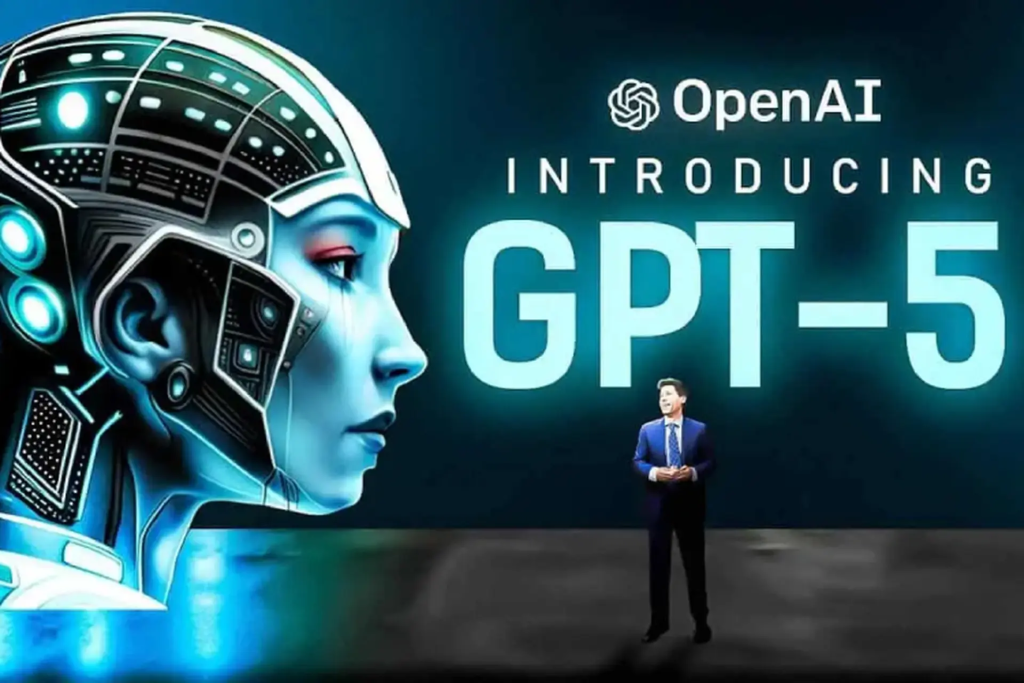
Over the past few days, ChatGPT-5 has officially launched, and OpenAI is promoting it as a major leap forward—claiming that ChatGPT has now reached a “PhD-level” of intelligence. But how true is that? Is GPT-5 really that much better?
As I mentioned, both OpenAI and early testers of the beta version have praised GPT-5 as one of the most significant advancements in AI we’ve seen so far. Still, many people—including myself—remain skeptical about whether GPT-5 truly lives up to its “PhD-level” promise. So today, I want to break it down with you and see whether this new version really outshines GPT-4.
What’s New in GPT-5 Compared to GPT-4?
To begin, you should know that OpenAI—and most of its competitors—rarely launch just a single version at a time. Instead, they tend to roll out multiple variants of an AI model. This approach allows each model to handle different types of tasks more efficiently, using the most suitable version for the job at hand.
For every GPT-4 variant, there is now a corresponding GPT-5 version. Here’s a quick breakdown:
- GPT-4o → GPT-5-main
- GPT-4o-mini → GPT-5-main-mini
- OpenAI o3 → GPT-5-thinking
- OpenAI o4-mini → GPT-5-thinking-mini
- GPT-4.1-nano → GPT-5-thinking-nano
- OpenAI o3 Pro → GPT-5-thinking-pro
To help you understand the key differences between these versions, I’ve included some detailed comparisons below.
Key Differences Between GPT-5 and Previous Versions
To help you better understand how GPT-5 stands out from its predecessors, I’ve summarized the most important differences in the table below. These improvements span across core capabilities and features:
| Category | GPT-4 & Earlier | GPT-5 |
|---|---|---|
| Input Modalities | Text + limited images | Native support for text, images, audio, video |
| Context Window | Around 32K–128K tokens | 256K to 1 million tokens |
| Reasoning | Step-by-step guided logic | Autonomous internal reasoning |
| Memory | Short-term (per session) | Cross-session, personalized memory |
| Actions | Relies on external plugins | Native task execution |
| Speed Options | Single main model | Nano / Mini / Thinking modes |
Smarter, More Human-Like AI with Long-Term Memory
One of the most transformative upgrades in GPT-5 is its persistent memory, which allows me to remember context and preferences across multiple sessions. This makes interactions feel more natural, consistent, and personalized.
No Plugins Needed — I Can Act Directly
Unlike older versions that needed third-party tools or plugins to perform certain actions, I can now execute tasks natively. Whether it’s scheduling, file analysis, or complex workflows, I can handle them directly within the conversation.
Speed & Cost Options Tailored to Your Needs
GPT-5 introduces new performance modes—Nano, Mini, and Thinking—giving you greater control over response speed, complexity, and associated costs. Whether you’re browsing quickly or diving deep into analysis, there’s a mode that fits.
With these breakthroughs, GPT-5 becomes a more powerful and versatile AI assistant than ever. I can now support a wide range of needs—from personal use cases like studying, creative writing, or coding, to advanced business tasks such as data analysis, strategy optimization, and high-stakes decision-making.
Major Architectural Changes in GPT-5 Compared to GPT-4
One of the most significant upgrades from GPT-4 to GPT-5 lies in the model’s architecture. GPT-5 introduces a more unified and streamlined system that intelligently selects the best-performing model variant to answer your prompt.
In simpler terms, while GPT-4 often required users to switch between different chatbot versions depending on the complexity of the query, GPT-5 automates this process. It analyzes your input and routes it to the most suitable model—seamlessly and without any user intervention.
At first glance, this may seem like a minor backend tweak. But in reality, it greatly enhances the user experience. Now, I can just type in any prompt I want, without worrying about whether I’m using the “right” version. GPT-5 takes care of all that, ensuring the best possible response every time.
What’s even more promising is that, according to OpenAI, this intelligent model-routing system will continue to improve over time. It will learn from user prompts to better understand which model variant works best for different tasks.
GPT-5 Is Smarter, Faster, and More Logically Sound
OpenAI claims that GPT-5 is more powerful than all previous models in terms of logical reasoning, speed, and accuracy. One of the major improvements is its ability to generate coherent and context-aware answers—even when facing a complex series of disconnected or confusing prompts.
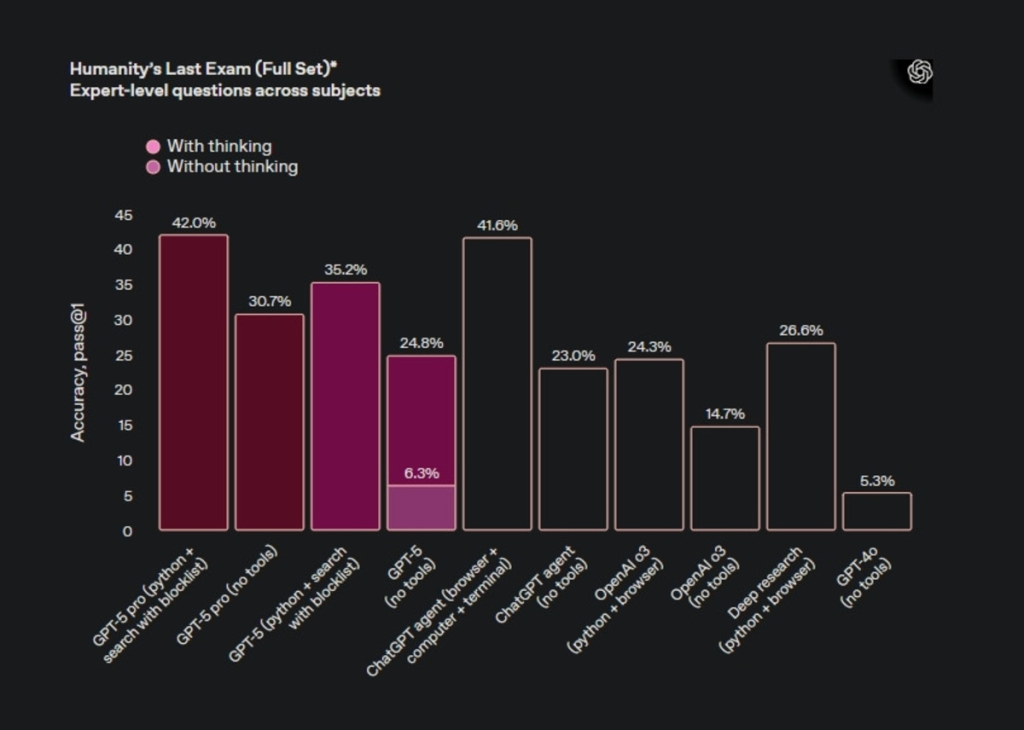
From my own testing, GPT-5 noticeably reduces the number of so-called “confused” or illogical responses—those strange, off-topic replies that sometimes occur when ChatGPT gets lost in a long conversation.
Another welcome change? GPT-5 is noticeably less… flattering. While GPT-4 often had a tendency to agree blindly or throw around over-the-top praise, GPT-5 responds with more balanced, critical thinking. For anyone tired of AI that constantly agrees with everything you say—this is a big plus.
The most noticeable improvements in GPT-5 can be seen in three main areas:
- Logical reasoning and structured answers
- Coding and software development
- Health-related advice and support
These enhancements make GPT-5 not just a smarter assistant—but a more trustworthy one as well.
Big Upgrades for Programmers: GPT-5 and Coding Tasks
As many of us predicted before launch, coding capabilities were a major focus of the GPT-5 upgrade. As AI models become more advanced, they’re all racing to dominate one key area: intelligent and efficient programming support.
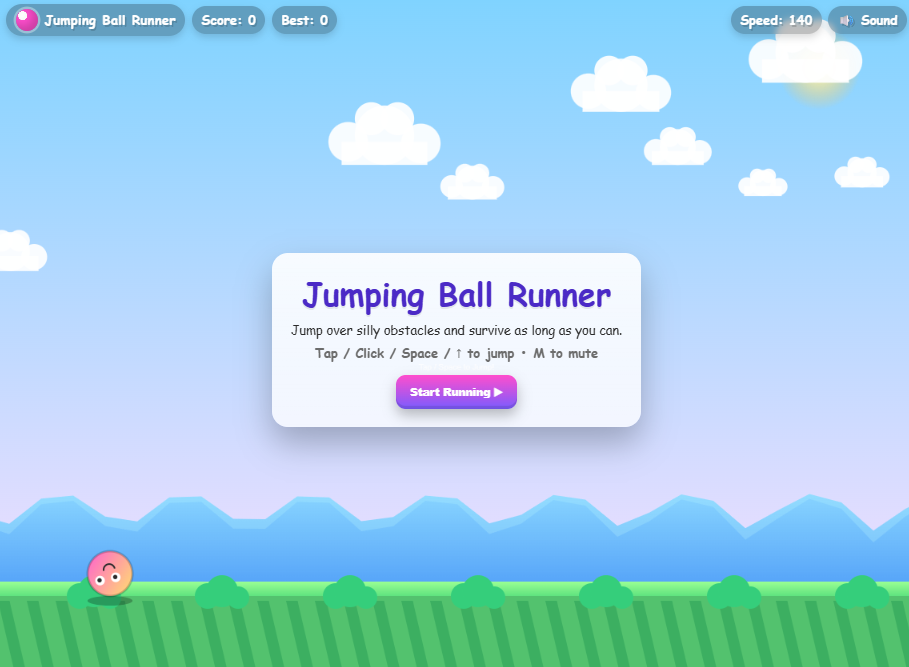
According to OpenAI, GPT-5 is the most capable coding model they’ve ever built. In fact, they emphasize that GPT-5 is particularly useful for front-end development and debugging large codebases.
What really sets GPT-5 apart from GPT-4 is its ability to generate complete websites, apps, or even games from a single prompt. Early testers have also reported noticeable improvements in visual elements like typography and layout when generating UI components.
Whether you’re a developer looking for help debugging, building a full-stack web app, or designing game logic from scratch—coding with GPT-5 just got a whole lot better.
GPT-5 Delivers More Creative and Compelling Writing
For many users, one of the biggest advantages of using ChatGPT is its ability to write high-quality content and summarize complex information. With GPT-5, this capability is better than ever. According to OpenAI, the new model takes even the roughest ideas and transforms them into polished, engaging writing.
In fact, GPT-5 has become noticeably more creative when handling abstract or artistic prompts. Whether you’re asking it to write free-flowing poetry or conceptual essays, GPT-5 delivers a more natural, human-like tone that feels fluid and thoughtful.
What stands out to me is that GPT-5 isn’t just writing better—it’s writing smarter. The tone is more relatable, the ideas more nuanced, and the structure more coherent, especially when working on creative pieces or content that requires subtlety and flair.
But it’s not all creativity. GPT-5 also performs exceptionally well in more formal writing tasks. Whether you’re drafting academic essays or composing professional emails, this model offers more reliable, well-structured, and grammatically correct outputs than GPT-4.
GPT-5 Offers More Trustworthy and Context-Aware Health Advice
Health-related AI chatbots have always sparked debate, but I believe GPT-5 sets a new benchmark in this area. Based on real-world evaluations through HealthBench—a benchmark built around doctor-defined scenarios—GPT-5 scores significantly higher than GPT-4.
What makes it impressive is its ability to act more like a health-conscious partner. GPT-5 can now detect potential red flags in symptoms, ask clarifying follow-up questions, and offer more meaningful responses. It feels less like a bot and more like a proactive assistant who actually wants to help.
OpenAI also confirmed that GPT-5 is better equipped to personalize health advice, taking into account factors like your location, medical knowledge level, and even specific health data (when provided by the user).
To be clear, GPT-5 is not a substitute for a licensed medical professional, and I wouldn’t recommend using it to self-diagnose serious conditions. But as a first step—to research symptoms, understand risks, or prepare for a doctor’s visit—GPT-5 is more helpful than any previous version.
Faster Response Times and Better Token Efficiency in GPT-5
Another key claim OpenAI made prior to launch was that GPT-5 would be significantly faster than previous models in generating responses. Based on early evaluations, that claim appears to hold up.
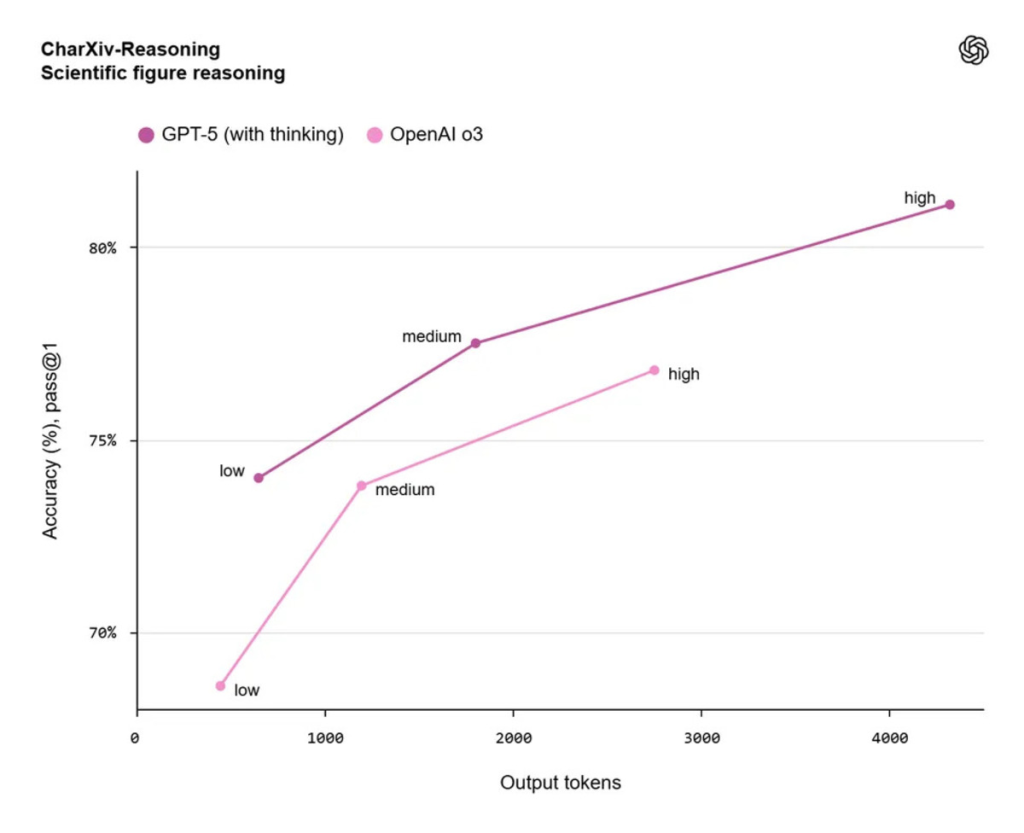
OpenAI reports that GPT-5 outperforms the OpenAI o3 model while using 50–80% fewer output tokens across most logic-based tasks. In plain terms, this means GPT-5 delivers more accurate and useful results while consuming fewer resources—a major win for both efficiency and performance.
From a user’s perspective, this leads to quicker replies and less waiting, making GPT-5 a more practical and responsive tool for everyday use. It also opens the door to more cost-effective deployments of AI across a wide range of industries.
Of course, I plan to test these claims in various real-world scenarios to see how GPT-5 performs under pressure. Stay tuned for a full performance review coming soon.
Real-World Applications of GPT-5
GPT-5 isn’t just a powerful AI tool — it’s incredibly versatile. I can support a wide range of users, from students and teachers to researchers, small businesses, and content creators. The table below highlights the most practical and popular ways I’m being used across different fields, showing how I help boost productivity and streamline tasks efficiently.
| User | Key Use Cases | Details |
|---|---|---|
| Students & Teachers | Study Assistance | Turn lecture notes into flashcards, generate quizzes, summarize lessons with citations |
| Academic Writing | Edit and refine entire thesis chapters while ensuring consistent formatting and style | |
| Language Learning | Analyze audio clips, give pronunciation feedback, and evaluate assignments | |
| Grading Support | Create rubrics and checklists for fair, consistent grading | |
| Researchers | Literature Review | Read and extract key themes, gaps, and references from multiple academic papers |
| Code Generation & Testing | Automatically generate experiment scripts and test software based on project briefs | |
| Data Handling | Extract structured data from tables, documents, or images | |
| Small Businesses & Creators | Content Workflow Automation | From scriptwriting to voiceover, video editing, and ad design — all in one streamlined process |
| Task Automation | Write emails, schedule meetings, summarize client calls, and generate task lists | |
| Business Productivity | Quickly draft investor updates or write engaging web content to attract customers |
Boosting Productivity, Creativity, and Accuracy
Whether you’re in a classroom, lab, office, or creative studio, I adapt to your workflow. GPT-5 is designed to not only save you time but also elevate the quality and consistency of your output — no matter your industry or role.
From automating repetitive tasks to enhancing deep thinking and content creation, GPT-5 enables you to focus more on what truly matters.
Important Considerations When Using GPT-5
GPT-5 represents a major advancement in artificial intelligence with its versatile and powerful capabilities. However, like any advanced technology, using GPT-5 comes with certain challenges and risks. Being aware of its limitations and following safety practices helps me deliver the best results while minimizing errors and ensuring accuracy and security.
What You Should Keep in Mind:
- Verify Information: Always double-check facts and citations, especially in sensitive areas like healthcare and legal matters, to avoid mistakes.
- Privacy: Long-term memory storage requires clear user consent and transparency about how data is handled.
- Cost Management: Intensive computing modes can be costly if used continuously, so monitoring and optimizing expenses is important.
- Bias & Ethics: The model may reflect biases present in its training data. It’s crucial to use and interpret outputs carefully and responsibly.
OpenAI and AI experts have recommended numerous safety measures. I encourage users to thoroughly review official guidelines and implement proper control procedures within their organizations.
Try GPT-5 online for free: ChatGPT Free Online
Final Verdict: Should You Upgrade to GPT-5?
At first glance, GPT-5 might not seem like a revolutionary leap. But once you explore what it brings to the table, it becomes clear that this version is a substantial upgrade across all the areas that matter most.
With enhanced code generation, better creative writing, faster and more logical responses, and improved reliability, GPT-5 refines ChatGPT into a more capable assistant than ever before. On top of that, updates to voice interactions and multimodal processing show OpenAI’s commitment to future-ready AI.
More importantly, as artificial intelligence continues to take on more critical roles in fields like education, healthcare, and software development, the improved stability, reduced error rates, and more context-aware health advice of GPT-5 make it stand out.
While it’s still too early to fully compare GPT-5 to competitors like Grok or Gemini, I can confidently say that GPT-5 represents a clear and worthwhile improvement over GPT-4. If you’re wondering whether to make the switch—the answer is yes: GPT-5 is a smart upgrade.
Source: OpenAI