Having bad credit doesn’t mean you’re stuck without options. In fact, getting the right credit card when you have poor credit can be one of the smartest financial moves you make. Why? Because it’s your ticket to rebuilding your credit score, enjoying the convenience of cashless payments, and establishing the financial credibility you need for future loans and better rates.
I’ll be honest with you – credit cards for bad credit often come with higher interest rates and fees than their premium counterparts. But here’s the thing: when chosen wisely, they can be powerful tools for financial recovery. The key is knowing what to look for and which cards actually deliver on their promises.
What is “Bad Credit”?
Let’s start with the basics. “Bad credit” typically refers to a FICO credit score below 580, though some lenders consider anything below 620 as subprime. If you’re wondering how you ended up here, you’re not alone – millions of Americans face this challenge.
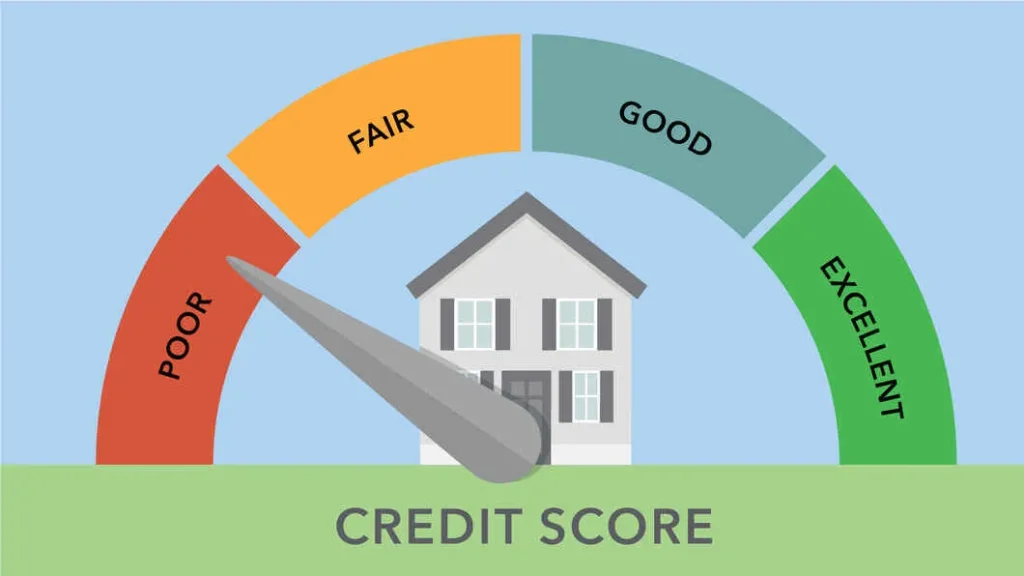
The most common culprits behind bad credit include:
- Late or missed payments – This is the biggest factor, accounting for 35% of your credit score
- High credit utilization – Using more than 30% of your available credit limits
- Limited credit history – Being new to credit or having inactive accounts
- Debt collections or charge-offs – When creditors give up on collecting past-due accounts
- Bankruptcies or foreclosures – Major financial setbacks that stay on your report for years
Here’s why credit cards matter even with bad credit: they’re often your fastest path to credit repair. Unlike installment loans, credit cards report to all three major credit bureaus monthly, giving you multiple opportunities each year to demonstrate responsible credit management.
How to Choose a Credit Card for Bad Credit
Not all bad credit cards are created equal. Some are genuinely helpful tools for credit building, while others are designed to trap you in expensive fee cycles. Here’s what to focus on when making your choice:
Annual Fee
Look for cards with no annual fee or reasonable fees under $50. Some cards charge $75-$200+ annually, which can eat into any benefits you might earn. The best secured cards often have no annual fee at all.
APR (Interest Rate)
While you should aim to pay your balance in full each month, life happens. Look for cards with competitive APRs – anything under 25% is decent for bad credit cards. Some secured cards offer rates as low as 14-18%.
Security Deposit Requirements
Secured cards require a deposit that typically becomes your credit limit. Look for flexibility here – some cards let you start with as little as $49-$200, while others require $500 or more. The best cards also offer paths to get your deposit back.
Credit Bureau Reporting
This is crucial – make sure your card reports to all three credit bureaus (Experian, Equifax, and TransUnion). Some cards only report to one or two, limiting your credit-building potential.
Additional Benefits
Consider extras like:
- Cash back or rewards (rare but valuable)
- Credit limit increase opportunities
- Graduation to unsecured cards
- Free credit score monitoring
- No foreign transaction fees
The golden rule: prioritize cards that help you build credit without breaking the bank on fees.
Best Credit Cards for Bad Credit in 2025
If you have a poor or limited credit history, getting approved for a traditional credit card can be challenging. Fortunately, there are several cards specifically designed to help rebuild your credit. Below are some of the best options for 2025, divided into Secured and Unsecured credit cards.
Secured Credit Cards (require a deposit)
| Card | Key Benefits | Drawbacks / Considerations |
|---|---|---|
| Discover it® Secured Credit Card | • Earns cash back: 2% at gas stations and restaurants (on up to $1,000 per quarter), 1% on everything else. • No annual fee. • Potential to transition to an unsecured card and get your deposit back after about 7 months of responsible use. | • Requires a refundable security deposit ($200 or more). • High APR compared to prime credit cards. • Discover isn’t as widely accepted internationally. |
| Capital One Secured Cards (e.g., Secured Cash Rewards) | • Some versions offer cash back rewards. • Possible upgrade path with responsible use. • Reports to all three major credit bureaus. • Flexible deposit amounts (sometimes lower than competitors). | • Some versions charge an annual fee. • Initial credit limit is typically low. • Deposit can still be a hurdle for some applicants. |
| Other Strong Secured Options | • Look for cards with lower minimum deposits and clear upgrade paths to unsecured credit. • Ideal for those who want guaranteed approval despite poor credit. | • Your deposit is locked until you upgrade or close the account responsibly. • Some cards offer no rewards, functioning only as a credit-building tool. |
Unsecured Credit Cards (no deposit required)
| Card | Key Benefits | Drawbacks / Considerations |
|---|---|---|
| Credit One Bank® Platinum Visa® for Rebuilding Credit | • Easier approval for poor credit profiles. • Earns cash back on select purchases. • Potential for credit line increases over time. | • Annual fees can be high. • APR is very high compared to secured options. • Low initial limits may increase your credit utilization ratio. |
| OneMain Financial BrightWay® Card | • 1% unlimited cash back. • “Milestone rewards” for on-time payments, such as rate reductions or credit line increases. • Reports to all three bureaus. • No deposit required. | • Annual fee ranges from $0–$89 depending on creditworthiness. • High APR. • Rewards tied to strict on-time payment history. |
| Tilt Engage Card | • Lower annual fee compared to many unsecured cards for bad credit. • Uses alternative data (like income and real-time spending) for approval, not just credit score. • Reports to all three credit bureaus. | • Still has fees—read the fine print carefully. • Rewards are limited or merchant-specific. • Missed payments can trigger very high interest. |
| Grow Credit Mastercard® | • Tailored for paying recurring subscriptions (Netflix, Spotify, etc.). • Easy approval process—little to no credit check. • Helps establish a positive payment history by reporting to credit bureaus. | • Not designed for everyday spending (limited to subscriptions). • Requires monthly membership plan for higher limits. • No cash back on general purchases. |
| Prosper® Card | • Credit limits range from $500 to $3,000 based on profile. • Automatic credit line reviews with responsible use. • Reports to all three major bureaus. | • Charges an annual fee unless you enroll in autopay. • No rewards program. • APR is high if balances are carried month to month. |
Which Type Should You Choose?
- If you can afford a deposit: Secured credit cards are generally the safer and cheaper way to rebuild credit. They often have lower fees and a clearer path to upgrade.
- If you cannot put down a deposit: Unsecured cards are available, but expect higher fees, higher interest rates, and stricter penalties for missed payments.
- In both cases: The most important factors are paying on time and keeping balances low (below 30% of your credit limit).
- Always ensure that your card reports to all three credit bureaus (Experian, Equifax, TransUnion), so your positive history actually improves your score.
Best for Students with Limited Credit
Capital One SavorOne Student Cash Rewards Credit Card
Perfect for students: Designed specifically for college students with limited credit history.
Key features:
- No annual fee
- Unlimited 3% cash back on dining and entertainment
- 1% cash back on all other purchases
- No foreign transaction fees
- Access to credit education tools
Best for: College students who want to start building credit with a rewards card.
Alternatives to Credit Cards for Bad Credit
Sometimes a traditional credit card isn’t the right fit. Here are other options to consider:
Credit Builder Loans
These loans are designed specifically for credit building. You make monthly payments, and the lender reports your payment history to credit bureaus. At the end of the term, you get the loan amount back.
Becoming an Authorized User
Ask a family member or trusted friend with good credit to add you as an authorized user on their account. Their positive payment history can boost your credit score, though you’ll also be affected by any negative activity.
Chime Credit Builder Visa® Card
This alternative approach lets you build credit without traditional credit checks or interest charges. It works more like a debit card but reports to credit bureaus as if it were a credit card.
Credit Builder Apps
Apps like Self, Kikoff, and others offer micro-loan products designed to build credit history with small monthly payments.
Tips to Rebuild Credit with a Credit Card
Getting the card is just the first step. Here’s how to use it effectively for credit repair:
Pay On Time, Every Time
Payment history is 35% of your credit score – the single most important factor. Set up automatic payments for at least the minimum amount, and aim to pay your full balance monthly.
Keep Balances Low
Your credit utilization ratio should stay below 30% of your available credit, but closer to 10% is even better. If your limit is $500, try to never carry more than $50-150 in balance.
Don’t Apply for Multiple Cards at Once
Each credit application creates a “hard inquiry” that temporarily lowers your score. Space out applications by at least 3-6 months.
Monitor Your Credit Reports
Check your reports from all three bureaus annually at AnnualCreditReport.com. Look for errors and dispute any inaccuracies you find.
Be Patient but Consistent
Credit repair takes time – typically 6-12 months to see significant improvement, and 2-3 years to fully recover from major negative items. Stay consistent with good habits.
Use the Card Regularly but Responsibly
Don’t let your card sit unused, but don’t overspend either. Use it for small, planned purchases like gas or groceries that you can easily pay off.
Consider Asking for Credit Limit Increases
After 6-12 months of on-time payments, you can request a credit limit increase. This lowers your utilization ratio without changing your spending habits.
Final Thoughts
Rebuilding credit after financial setbacks isn’t just possible – it’s probable when you have the right tools and strategy. The credit cards I’ve outlined above represent the best options currently available for people with bad credit in 2025.
Remember: your credit score doesn’t define you, and bad credit isn’t permanent. Secured credit cards are a great option for those building or rebuilding their credit, offering lower APRs than most unsecured credit cards specifically for bad credit.
My recommendation? Start with a no-annual-fee secured card like the Discover it® Secured if you want rewards, or the Capital One Platinum Secured if you want flexibility. Use it responsibly for 6-12 months, then reassess your options as your credit improves.
The most important thing is to start. Every month you wait is another month without positive credit history building. Pick a card that fits your budget and situation, use it wisely, and watch your credit score climb back to where you want it to be.
Your financial future is worth the effort, and with the right credit card as your partner, you’re already on the path to better credit and more opportunities ahead.