In today’s digital world, Artificial Intelligence (AI) and its remarkable capabilities are frequently mentioned. Natural Language Processing (NLP) stands as one of the core fields driving AI development. But what exactly is NLP, and why is it so important?
You may have heard of NLP in the context of Neuro-Linguistic Programming, a psychological approach for self-improvement. However, this article focuses on a different NLP concept related to computers and AI: Natural Language Processing.
What is Natural Language Processing?
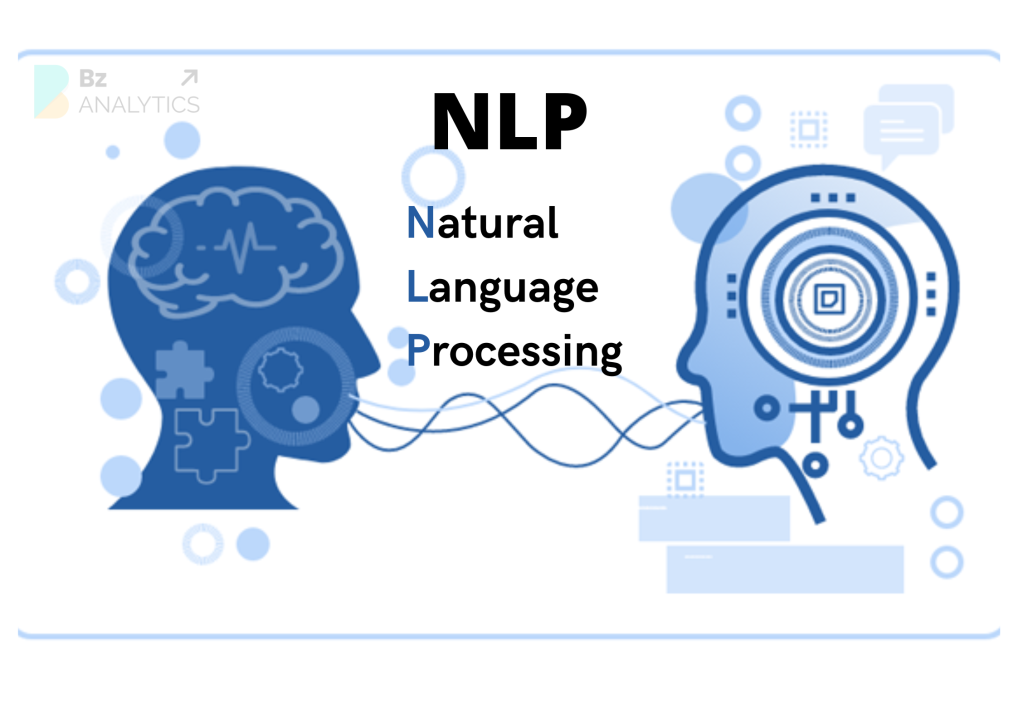
Natural Language Processing is a branch of artificial intelligence and computer science focused on enabling machines to understand, interpret, and generate human language in meaningful and useful ways. The ultimate goal of NLP is to bridge the communication gap between humans and computers, allowing us to interact with technology as naturally as we converse with each other.
Unlike Neuro-Linguistic Programming which focuses on human mind and behavior, NLP in technology concentrates on building algorithms and models that allow computers to efficiently process language data (text and speech).

How NLP Works: Inside the Black Box
For computers to understand complex human language, NLP employs sophisticated techniques and processes. Here are some fundamental steps typically involved:
- Text Segmentation/Tokenization: Breaking down text into basic units like sentences, words, or phrases—this is the first step enabling computers to process each language component.
- Part-of-Speech Tagging: Identifying the grammatical role of each word in a sentence (noun, verb, adjective, etc.), helping computers understand sentence structure.
- Named Entity Recognition (NER): Finding and categorizing named entities in text such as people, organizations, locations, and dates.
- Parsing: Analyzing the grammatical structure of sentences to understand relationships between words.
- Sentiment Analysis: Determining attitudes and emotions (positive, negative, neutral) expressed in text.
- Language Modeling: Building models that predict the probability of word sequences, forming the foundation for text generation and translation.

Today, Machine Learning techniques, especially Deep Learning with advanced models like Transformers (BERT, GPT), play a central role in helping NLP achieve remarkable advances in accuracy and applicability.
The Value and Importance of NLP
NLP isn’t just an academic research field but delivers enormous practical value:
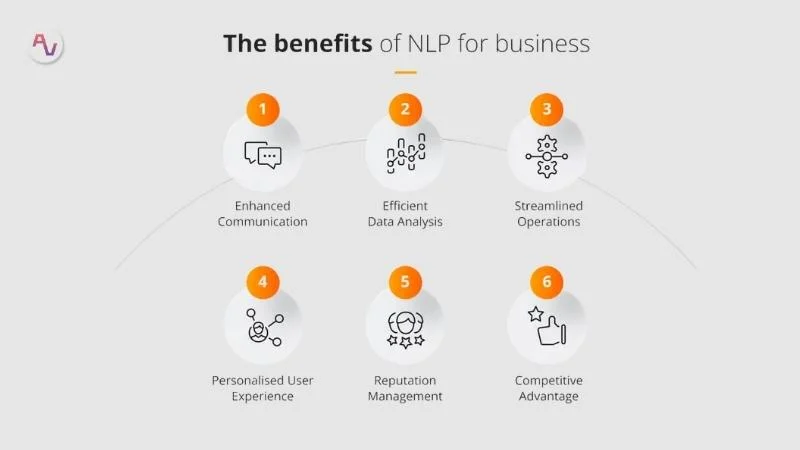
- Automated language data processing: Helps process massive volumes of text and speech quickly, which would be difficult for humans to accomplish.
- Enhanced human-machine interaction: Creates more natural interfaces through virtual assistants and chatbots, allowing users to communicate with computers easily.
- Information and knowledge extraction: Mines deep insights from unstructured data sources like social media, emails, and customer feedback.
- Breaking language barriers: Increasingly accurate machine translation helps people worldwide connect and share information more easily.
- Personalized experiences: Understands user needs and preferences through language analysis to provide more relevant content and products.
Practical Applications of NLP Around Us
NLP has permeated virtually every aspect of our technological lives:
- Search engines (Google, Bing): Understanding user search intent rather than simply matching keywords, delivering more relevant results.
- Virtual assistants (Siri, Google Assistant, Alexa): Understanding and executing voice commands, answering questions, controlling smart devices.
- Automated translation (Google Translate, Microsoft Translator): Translating text and speech between different languages with increasingly high accuracy.
- Chatbots and customer support: Providing automated answers, addressing inquiries 24/7, improving customer service efficiency.
- Social media and market analysis: Monitoring public opinion, analyzing feedback about brands and products to inform business decisions.
- Text summarization: Automatically generating concise summaries for lengthy documents.
- Grammar and spelling checkers: Tools like Grammarly helping users improve text quality.
- Healthcare: Analyzing medical records and research documents to support diagnosis and treatment.

Natural Language Processing is a dynamic and promising field of Artificial Intelligence. It not only helps computers understand us better but also unlocks countless useful applications that are transforming how we live, work, and interact with the digital world. Understanding NLP means understanding an important part of our technological future.