In recent years, blockchain has become a buzzword across media platforms. Yet, despite its growing presence, many people still don’t fully understand this transformative technology.

What Exactly Is Blockchain?
In today’s digital era, blockchain has quietly revolutionized the way we exchange information and conduct transactions online.
At its core, blockchain is a decentralized database system based on a “chain of blocks.” Information is stored in blocks that are securely linked together in a continuous chain, with each piece of data encrypted using sophisticated algorithms.
Unlike traditional databases, blockchain operates on a decentralized model, meaning data isn’t stored on a single central server. Instead, it’s distributed across multiple nodes — devices (typically computers) participating in the blockchain network, each holding a partial or full copy of the chain.

This structure enhances trust, increases security, and minimizes the risk of data loss or cyberattacks. One of blockchain’s greatest strengths is its transparency, security, and the immutability of recorded data.
When new information needs to be added, the network’s nodes must reach a consensus to verify and approve the update. This consensus mechanism ensures that only valid, verified data becomes part of the chain.
Once recorded, altering information on the blockchain is virtually impossible — unless someone gains control of more than 51% of the network’s total computing power, a scenario that’s extremely unlikely in large blockchain systems.
A Simple Analogy to Understand Blockchain
Imagine a ledger written in permanent ink that cannot be erased or edited. This ledger is copied thousands of times and stored across many locations. Everyone can read the ledger, but no one can alter past entries — they can only add new ones if everyone agrees.
Another analogy: think of a group of friends keeping score in a game. Each player writes down their points, and everyone signs off to confirm the scores. Then, copies of the score sheet are distributed to all players. If anyone tries to cheat by changing their score, the inconsistency would immediately be exposed because the copies wouldn’t match.
Blockchain works in a similar way. Instead of tracking game points, it records transactions — such as cryptocurrency exchanges, digital asset ownership, or smart contracts — ensuring the authenticity and security of the information.
For example, if you send 1 Bitcoin, the transaction is recorded on the blockchain and confirmed by thousands of nodes. It becomes a permanent part of the ledger, and no one can deny that the transaction ever happened.
Who Invented Blockchain?
While blockchain has made a massive impact, the identity of its creator remains shrouded in mystery.
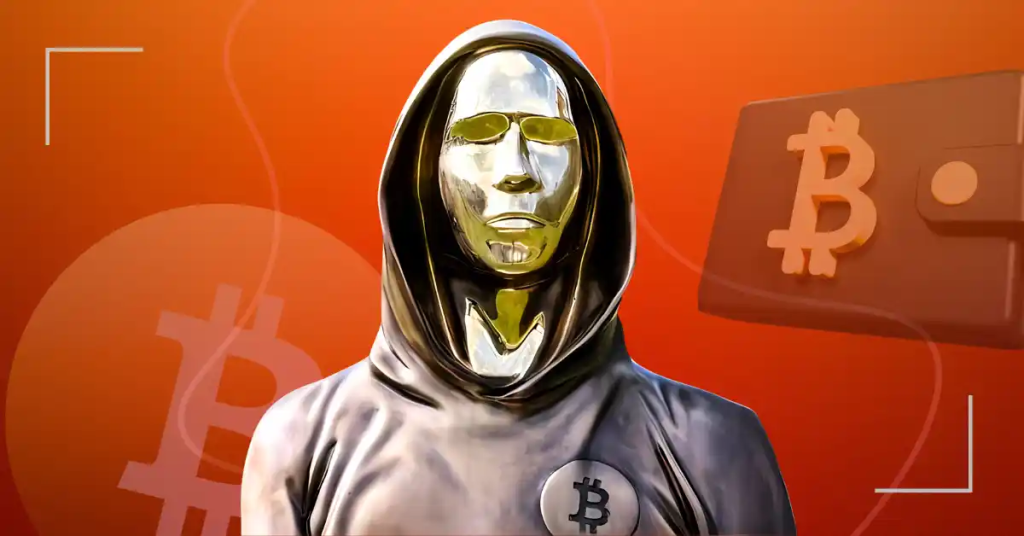
Most credit Satoshi Nakamoto, an anonymous individual or group, for bringing blockchain to life. In 2008, Nakamoto introduced Bitcoin, the first cryptocurrency built on blockchain technology.
Even today, Satoshi Nakamoto’s true identity is unknown.
However, blockchain’s origins date back even further. In 1991, American computer scientists Stuart Haber and W. Scott Stornetta proposed a method for securely timestamping digital documents using a chain of cryptographically linked data blocks — laying the groundwork for blockchain.
Later in 1998, computer scientist Nick Szabo proposed “bit gold,” a decentralized digital currency concept bearing many similarities to blockchain, although it was never implemented.
Satoshi Nakamoto seemingly drew upon these earlier ideas, blending them into what we now recognize as blockchain technology, with Bitcoin as its first successful application.
The mystery surrounding Nakamoto only adds to the intrigue and allure of blockchain and cryptocurrencies.
Real-World Applications of Blockchain
Many associate blockchain solely with cryptocurrencies, but its real-world applications span far beyond digital money, thanks to its transparency, security, and immutability.
Here are some key examples:
Cryptocurrencies and Decentralized Finance (DeFi)
Cryptocurrency remains the most recognized use case of blockchain. Digital assets like Bitcoin and Ethereum rely on blockchain to enable fast, secure transactions without intermediaries such as banks — lowering transaction fees and speeding up processes.
Blockchain also powers the growing world of decentralized finance (DeFi), where users can access financial services like lending, saving, and trading without traditional financial institutions.

Healthcare and Medical Records
Blockchain offers a secure way to store medical records, giving patients more control over their personal health information. It enables secure data sharing between patients and healthcare providers while safeguarding against data breaches.
Supply Chain Management and Traceability
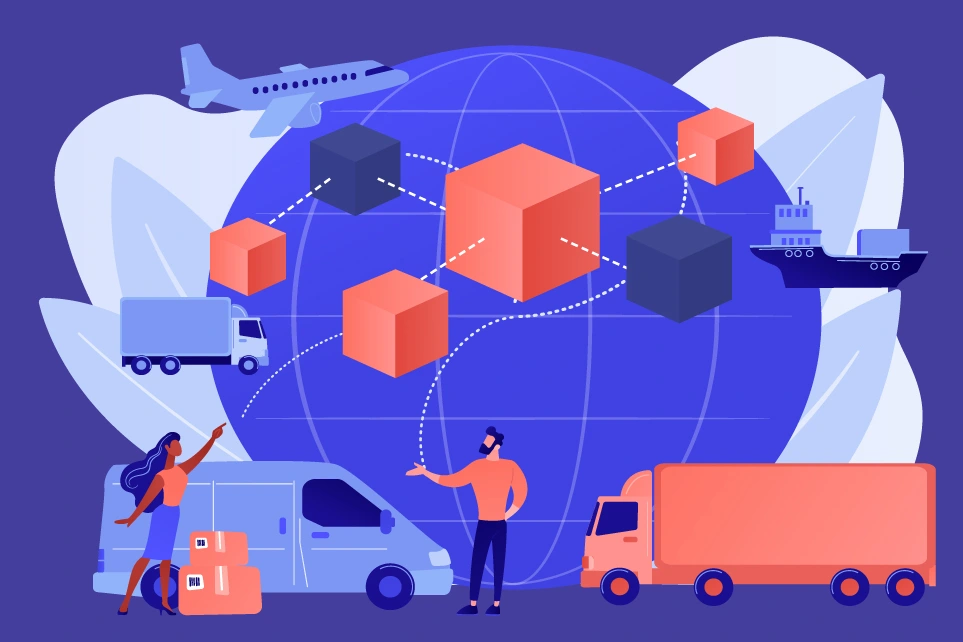
Blockchain is revolutionizing supply chain management by making it easier to track products from origin to consumer. Major corporations like Walmart and IBM have adopted blockchain to improve transparency, prevent counterfeiting, and boost consumer trust.
Smart Contracts
In sectors like real estate and law, blockchain enables “smart contracts” — agreements that automatically execute when specified conditions are met. For instance, property ownership can transfer hands without third-party intermediaries, and artists can receive automatic royalties when their work is sold.
Blockchain in Voting Systems
Several countries, including the U.S., Estonia, Switzerland, and Russia, have experimented with blockchain-based voting systems to enhance election security, prevent tampering, and boost transparency.
Digital Asset Ownership and NFTs
Non-fungible tokens (NFTs) represent a major blockchain breakthrough in digital ownership, particularly in art, music, and gaming. NFTs provide verifiable proof of ownership over digital assets.
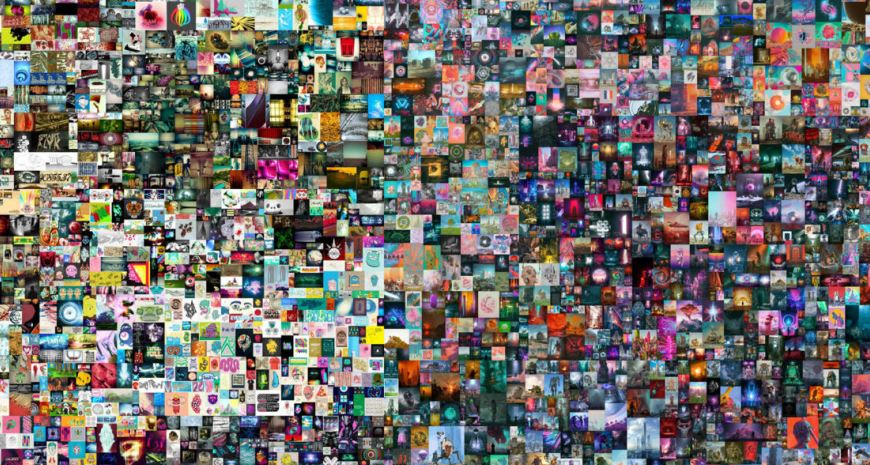
In 2021, the digital artwork “Everydays: The First 5000 Days” by Beeple sold for $69 million, marking a milestone in the acceptance of digital art as a legitimate and valuable asset class.
The Future of Blockchain
What started as a concept from an anonymous figure has grown into a revolutionary global technology poised to reshape countless industries.
Looking ahead, blockchain is expected to evolve further, potentially integrating with artificial intelligence (AI) to fuel the next wave of innovation. Together, these technologies could drive a new digital revolution and fundamentally transform the way we live, work, and interact.